
Best overall: Omega Seamaster Aqua Terra 150M with calibre 8900. Best for compact daily wear: Rolex Explorer 124270. Best for straightforward chronometer certification: Longines Spirit 40 mm. This 2026 shortlist separates movement certification from finished-watch testing, then weighs the condition and wearability of the actual watch you buy.
- The best chronometer certified watches start with Omega Aqua Terra for finished-watch testing and magnetic resistance.
- Rolex Explorer 124270 is the compact daily-wear choice; Tudor Black Bay METAS suits dive-watch collectors.
- Breitling Navitimer B01 Chronograph 43 adds elapsed-time measurement; Longines Spirit keeps the certification proposition straightforward.
- For pre-owned chronometers, assess originality, movement health and independent authentication—not packaging.
Why chronometer certification matters
A chronometer designation answers a specific question: did the movement or watch meet a defined testing standard? It does not establish authenticity, originality or present mechanical health. Those require separate checks.
For Australian buyers comparing chronometers in 2026, fit deserves equal attention. A technically impressive watch that slides around your wrist is a poor daily companion; start with how to choose the right watch case size before comparing certification badges.
James Patten Fine Watches sells new and pre-owned luxury watches. For either category, buy the watch whose reference, condition and performance you can substantiate, rather than treating its certification wording as the entire buying decision.
What makes the best chronometer-certified watch?
- Testing scope: distinguish a movement tested before casing from a finished watch tested after assembly.
- Reference correctness: confirm that the exact reference and calibre carry the certification being discussed.
- Present performance: assess rate consistency, winding, power delivery and movement health rather than relying on an original specification.
- Originality and condition: inspect the dial, hands, case geometry and replacement components in context.
- Wearability: compare diameter, thickness, lug shape, bracelet adjustment and dial legibility on your wrist.
- Useful functions: choose a date, chronograph or diving bezel only when it serves how you wear the watch.
Best chronometer-certified watches at a glance
The order below reflects distinct collecting needs, not a claim that one certification makes every watch better than another.
| Watch | Best for | Standout feature | Key limitation |
|---|---|---|---|
| Omega Seamaster Aqua Terra 150M, calibre 8900 | All-round precision collecting | Master Chronometer finished-watch testing | The 41 mm version needs a wrist-fit check |
| Rolex Explorer 124270 | Compact daily wear | 36 mm case and Rolex Superlative Chronometer testing | No date or elapsed-time function |
| Tudor Black Bay M7941A1A0NU | Traditional dive-watch collecting | METAS certification with a diving bezel | Case profile is more substantial than the Explorer |
| Breitling Navitimer B01 Chronograph 43 | Mechanical elapsed-time measurement | COSC-certified chronograph movement | Busy dial and additional operating controls |
| Longines Spirit 40 mm, calibre L888.4 | Straightforward COSC collecting | Clear time-and-date layout | COSC status is not a finished-watch magnetic-resistance claim |
COSC, Master Chronometer and Superlative Chronometer
These labels describe different testing programmes. They are not interchangeable. The following technical distinctions use the published testing frameworks of COSC and METAS, alongside the relevant manufacturers’ specifications for the named watches; they are the baseline for this 2026 comparison.
COSC: movement-level chronometer testing
COSC is the Contrôle Officiel Suisse des Chronomètres. For conventional mechanical wristwatch movements in the relevant size category, its published mean daily rate criterion is −4 to +6 seconds per day, measured through a prescribed programme involving positions and temperatures.
That figure is one criterion, not the whole examination. Passing COSC does not mean every subsequent wrist reading must fall inside that range, particularly after years of wear or an unresolved mechanical fault.
Master Chronometer: testing the finished watch
METAS Master Chronometer certification includes finished-watch performance, magnetic resistance, water resistance and power-reserve testing. Omega’s published Master Chronometer framework includes exposure to 15,000 gauss and a daily precision range of 0 to +5 seconds per day.
The Omega Aqua Terra with calibre 8900 and the specified Tudor Black Bay both belong in a discussion of Master Chronometer watches. Do not extend that label to every Aqua Terra or Black Bay: generations and calibres differ.
Rolex: an additional manufacturer standard
Rolex describes its Superlative Chronometer standard as COSC certification followed by its own finished-watch testing. Its published precision specification is −2 to +2 seconds per day after casing.
That is a useful distinction for the Explorer 124270. It is not METAS certification, and the numerical range alone does not compare every aspect of the two programmes.
1. Omega Aqua Terra: best chronometer for all-round collecting
The Omega Seamaster Aqua Terra 150M with calibre 8900 is the strongest default when you want finished-watch testing without a chronograph or external diving bezel. The 41 mm version combines a date display with Master Chronometer certification.
Its appeal is the breadth of the testing, not just a narrow daily-rate figure. For a pre-owned example, verify the reference and calibre before assuming that an older Aqua Terra shares the same certification.
Omega Aqua Terra pros:
- Master Chronometer testing covers the assembled watch.
- Magnetic-resistance testing adds a useful distinction beyond conventional COSC certification.
- A date display suits regular daily use.
- The bezel-free layout keeps the watch visually restrained.
Omega Aqua Terra cons:
- The 41 mm case will not suit every wrist.
- The date adds a setting consideration absent from a time-only watch.
- Certification does not replace a current movement assessment.
Best for: a collector seeking one versatile mechanical watch with a clearly defined finished-watch testing programme.
Inspect dial condition, hand alignment and case edges, then check winding and date operation. Ask for service evidence where available and have unexplained performance changes assessed independently.
Verdict: Buy the calibre 8900 Aqua Terra when its fit and present condition support its all-round brief.
2. Rolex Explorer 124270: best chronometer for compact daily wear
The Rolex Explorer 124270 pairs a 36 mm case with calibre 3230 and a time-only display. Its Superlative Chronometer designation combines COSC movement certification with Rolex’s own finished-watch testing.
The Explorer wins this slot because of its compact format and uncomplicated dial. It is the alternative to the Aqua Terra when you want fewer functions and a smaller watch, rather than a claim of universal technical superiority.
Rolex Explorer pros:
- The 36 mm format provides a genuinely different fit option.
- No date means no calendar correction.
- The dial prioritises hours, minutes and seconds.
- Rolex publishes a finished-watch precision standard.
Rolex Explorer cons:
- No date display or timing bezel.
- The smaller format will not satisfy buyers seeking a substantial case.
- A refinished case requires careful inspection of its remaining geometry.
Best for: a collector who wants compact, time-only daily wear with an explicit chronometer testing framework.
Check the dial and hands against the reference, inspect bracelet wear and assess the case rather than equating surface shine with good condition. Originality and authentication remain separate from timing performance.
Verdict: Buy the Explorer 124270 for compact daily wear; skip it if a date is essential.
3. Tudor Black Bay METAS: best chronometer for dive-watch collectors
The Tudor Black Bay M7941A1A0NU uses calibre MT5602-U in a 41 mm case and carries Master Chronometer certification. Its unidirectional diving bezel gives it a practical function the Aqua Terra and Explorer do not share.
Reference specificity matters here. A Black Bay with COSC certification is not automatically the same proposition as this METAS-certified version, even when the watches look closely related.
Tudor Black Bay METAS pros:
- Master Chronometer testing extends beyond the uncased movement.
- The external bezel provides an elapsed-time reference.
- A time-only layout avoids calendar adjustment.
- The reference offers a clear route to checking the correct calibre.
Tudor Black Bay METAS cons:
- Its case profile needs a careful fit check under sleeves.
- The no-date display will not suit every daily routine.
- Original water-resistance specifications do not establish a used watch’s present sealing condition.
Best for: a collector who prefers a traditional dive-watch format and wants METAS certification specifically.
Before swimming with a pre-owned Black Bay, obtain an appropriate pressure test. Inspect bezel operation, crown action and bracelet security as well as movement performance; none is established by the dial wording alone.
Verdict: Buy the specified METAS Black Bay for its dive-watch format; hold if reference or sealing condition is unresolved.
4. Breitling Navitimer B01: best chronometer for chronograph use
The Breitling Navitimer B01 Chronograph 43 combines a COSC-certified automatic chronograph movement with a slide-rule bezel. Its 43 mm case and information-dense dial distinguish it sharply from the time-only Explorer.
Choose the Navitimer because you want to measure elapsed time mechanically and enjoy its instrument-style layout. A chronograph describes a function; chronometer describes a testing qualification. This watch combines both.
Breitling Navitimer B01 pros:
- The chronograph measures elapsed time independently of the main time display.
- COSC certification provides an established movement-testing framework.
- The slide rule adds a distinctive calculation function.
- The larger dial gives the subdials room within the layout.
Breitling Navitimer B01 cons:
- The dial is less immediately readable than a simple three-hand watch.
- The 43 mm format requires an on-wrist assessment.
- Chronograph operation adds functions that need checking during inspection.
Best for: a collector who actively wants a mechanical chronograph, not merely a chronometer badge.
Test start, stop and reset operation, and check that the hands return correctly. For a used example, request movement-health evidence and investigate hesitant or inconsistent operation before purchase.
Verdict: Buy the Navitimer B01 for chronograph use; skip it when simplicity is your priority.
5. Longines Spirit 40 mm: best chronometer for a clear COSC brief
The Longines Spirit 40 mm with calibre L888.4 offers a COSC-certified automatic movement, a date and an Arabic-numeral dial. It is the straightforward option for collectors who want conventional chronometer certification without a chronograph.
This recommendation is about function and testing scope, not an unsupported price ranking. Confirm the precise Spirit reference: the wider collection includes different sizes and complications.
Longines Spirit pros:
- COSC certification supplies an established movement-level standard.
- The Arabic numerals support straightforward time reading.
- The date adds everyday utility.
- The 40 mm format sits between the Explorer and larger Navitimer in diameter.
Longines Spirit cons:
- COSC alone does not establish METAS-style finished-watch testing.
- Lug shape and length still need checking on your wrist.
- Buyers seeking elapsed-time measurement need a different format.
Best for: a collector who wants a legible time-and-date watch with a clearly identified COSC-certified calibre.
Inspect the dial, case and crown, and confirm that the movement matches the reference. Check service evidence where available rather than assuming the certification describes its current condition.
Verdict: Buy the Spirit 40 mm for a straightforward COSC proposition; skip it if finished-watch certification is non-negotiable.
How to assess a pre-owned chronometer in 2026
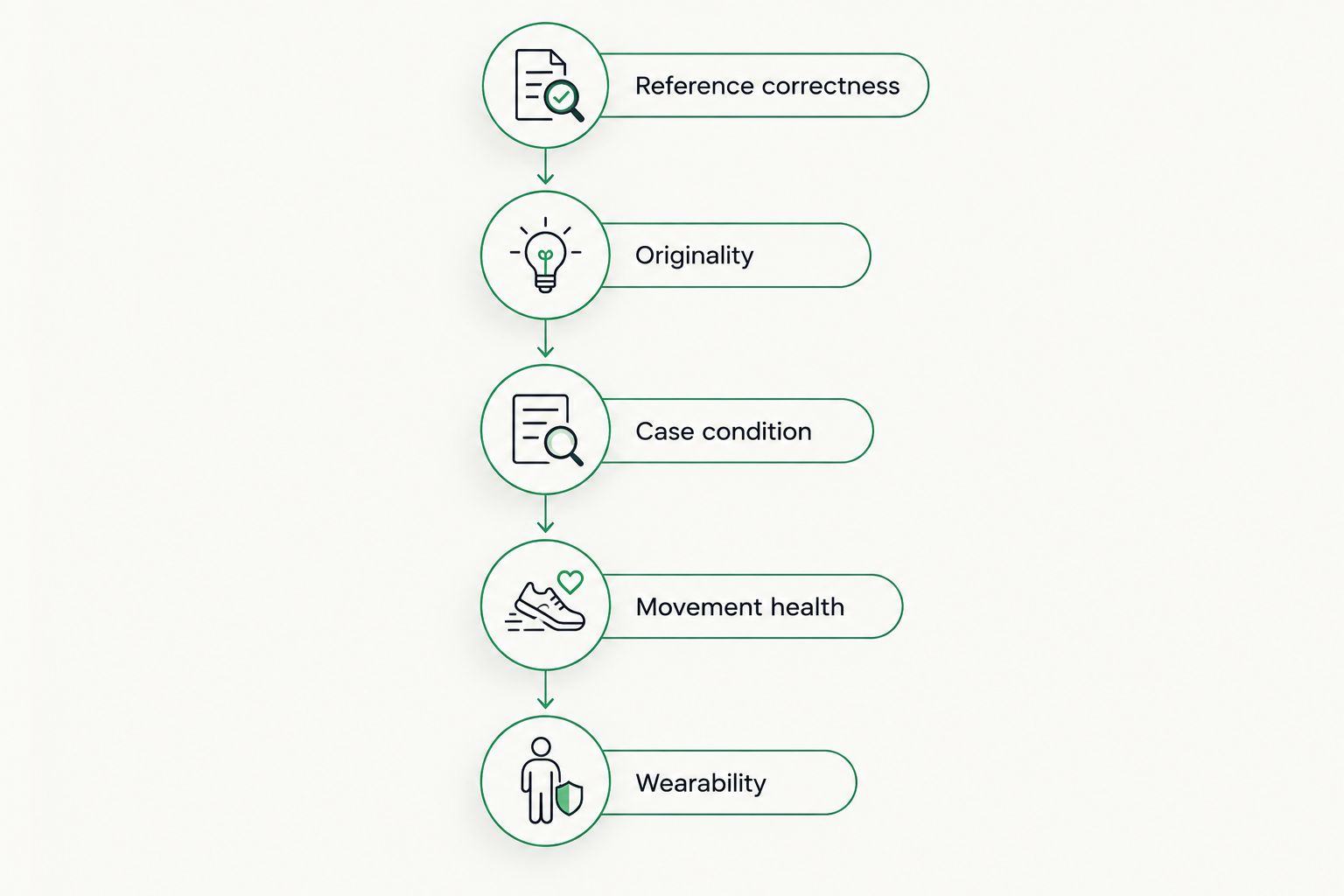
A sensible inspection moves from identity to condition, then performance and fit. Do not start and finish with a timegrapher reading.
- Reference correctness: establish the model, reference and movement, then check the applicable certification.
- Originality: examine whether the dial, hands and other components are appropriate; identify replacements without treating every service component as a defect.
- Case condition: inspect lug symmetry, edges, bezel condition and evidence of heavy refinishing.
- Movement health: assess winding, rate consistency and relevant functions, supported by a watchmaker’s examination.
- Wearability: check bracelet security, clasp adjustment, crown comfort and how the case sits on your wrist.
Service evidence is useful when it identifies the work performed and the watch concerned. An independent examination supplies a different kind of evidence: what the watch is and how it behaves now. The pre-owned Rolex authentication guide develops that distinction for Rolex buyers.
An original box cannot be worn, and papers do not establish movement health. Neither is required for a watch to be desirable. Judge the watch through reference correctness, originality, condition, authentication and real-world use.
How the shortlist is ranked
This 2026 ranking prioritises testing scope, clearly identifiable references and distinct wearing needs. Omega takes the default slot for its combination of Master Chronometer testing and an uncluttered everyday format; Rolex, Tudor, Breitling and Longines each answer a different brief.
The ranking is not a claim that individual examples were bench-tested. Published certification standards describe the original technical proposition; inspecting the actual watch establishes whether it is a sound purchase today.
Which chronometer should you choose?
Choose the calibre 8900 Omega Aqua Terra if you are undecided and its 41 mm case fits well. Choose the Explorer 124270 for compact simplicity, the specified Tudor Black Bay for a diving bezel, the Navitimer B01 for chronograph use, or the Longines Spirit for a straightforward COSC-certified time-and-date watch.
At James Patten Fine Watches, apply the same assessment to new and pre-owned chronometers: identify the reference first, then judge the watch itself. A different model in better condition is a stronger purchase than your preferred reference with unresolved mechanical questions.
FAQ
What are the best chronometer certified watches for everyday wear?
The Omega Aqua Terra with calibre 8900 is the all-round choice, while the Rolex Explorer 124270 suits compact daily wear. Choose between their actual fit, date requirement and testing frameworks rather than the badge alone.
Is a Master Chronometer better than a COSC chronometer?
Master Chronometer certification covers additional finished-watch tests beyond conventional COSC movement certification. That broader testing scope does not make every Master Chronometer the better purchase: condition, fit and required functions still matter.
How accurate should a COSC mechanical chronometer be?
COSC publishes a mean daily rate criterion of −4 to +6 seconds per day for conventional mechanical wristwatch movements in the relevant size category. It is one laboratory criterion, not a guarantee of every daily wrist reading throughout the watch’s life.
Is the Rolex Explorer 124270 METAS certified?
The Rolex Explorer 124270 uses Rolex’s Superlative Chronometer framework, not METAS certification. Rolex combines COSC movement certification with its own finished-watch testing and publishes a −2 to +2 seconds-per-day precision specification after casing.
Do all Tudor Black Bay watches have Master Chronometer certification?
No, Master Chronometer certification depends on the exact Tudor Black Bay reference and calibre. The M7941A1A0NU with MT5602-U is the model discussed here; do not transfer its certification to other Black Bay generations.
Do I need the original box and papers when buying a chronometer?
No, original packaging and papers are not required for a chronometer to be desirable. Assess reference correctness, originality, condition, movement health, service evidence where available and independent authentication.
Is a chronograph the same thing as a chronometer?
No, a chronograph measures elapsed time, while a chronometer meets a defined precision-testing standard. The Breitling Navitimer B01 Chronograph combines both, but neither term automatically implies the other.
One last thing
When comparing chronometers in 2026, ask for the context behind any timing result: winding state, measurement position and whether the chronograph was running. A single attractive reading is less useful than evidence of consistent behaviour. Buy the watch whose identity and condition withstand scrutiny—not the one with the most impressive badge.


